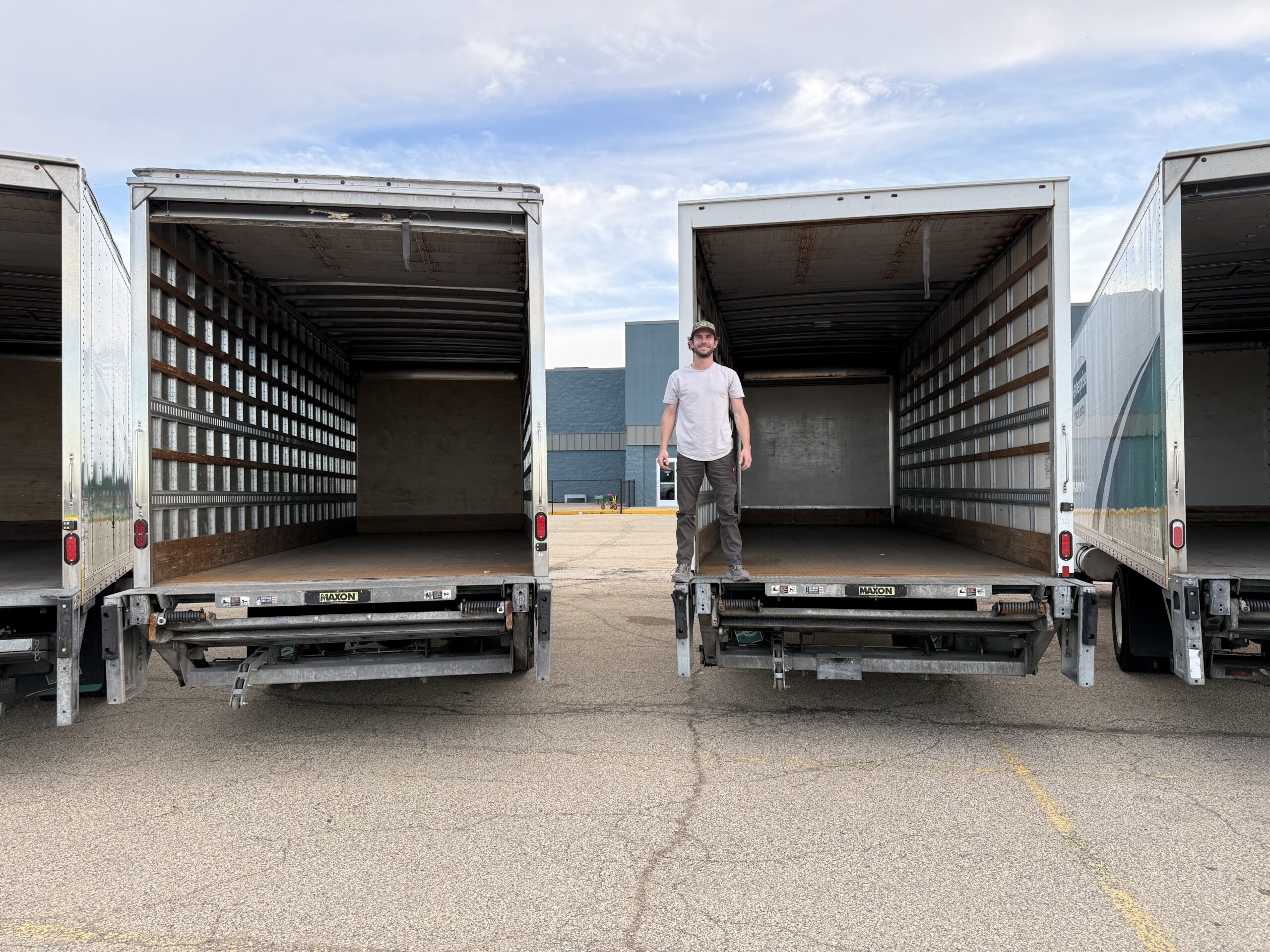
How to Find and Vet Reliable Non-CDL Box Truck Carriers in Today s Market
The logistics landscape is evolving rapidly, and businesses are constantly searching for flexible, cost-effective ways to move their goods. While massive 18-wheelers often dominate the highways, a significant portion of today’s freight is moving in smaller, more agile vehicles. Non-CDL box trucks—vehicles with a Gross Vehicle Weight Rating (GVWR) under 26,000 pounds—have become the unsung heroes of regional transit.
Because the drivers of these vehicles do not require a Commercial Driver’s License (CDL), the barrier to entry for operators is lower. However, this lower barrier makes vetting your logistics partners incredibly important. If you want to keep your cargo safe while cutting business shipping costs, you need a strategic approach to finding the right transportation partner.
Here is your comprehensive guide to finding, vetting, and partnering with top-tier non-CDL box truck carriers in today’s highly competitive market.
The Rising Demand for Box Truck Operations
Traditional trucking services are ideal for cross-country hauls, but they often struggle with the narrow streets and tight loading docks of urban environments. Box trucks fill this gap perfectly. They have become the backbone of modern last mile delivery solutions, bridging the crucial gap between local distribution centers and the final customer.
When evaluating intermodal vs over-the-road transport, box trucks strictly dominate the regional and local over-the-road (OTR) sector. They frequently pick up cargo directly from rail yards or ports to complete the final leg of an intermodal journey. Furthermore, standard dry van trailer dimensions—which often stretch up to 53 feet—are simply too large for many retail drop-offs. A 24- or 26-foot box truck offers the perfect balance of cargo capacity and maneuverability.
How to Find Reliable Freight Companies
Knowing where to look and what questions to ask separates successful supply chains from struggling ones. When figuring out how to find reliable freight companies, start by utilizing reputable load boards, local business directories, and logistics networking groups. Once you have a shortlist, put them through a rigorous vetting process.
1. Verify Fleet Safety and Compliance
Just because a carrier operates non-CDL trucks doesn’t mean they are exempt from federal regulations. Ask for their Department of Transportation (DOT) number and Motor Carrier (MC) number. Check their record on the Federal Motor Carrier Safety Administration (FMCSA) database. Ensuring they adhere to strict fleet safety and compliance standards protects your cargo from negligent handling and reduces the risk of transit delays.
2. Scrutinize Insurance Policies
Never assume a carrier is adequately insured. Always request an up-to-date Certificate of Insurance (COI) directly from their insurance provider. You need to understand your freight insurance coverage options. Standard auto liability is not enough; the carrier must have specific cargo insurance that covers the total value of your shipment in the event of theft, damage, or an accident.
3. Emphasize Proper Documentation
A professional carrier will understand the bill of lading importance. The Bill of Lading (BOL) is not just a receipt; it is a legally binding contract of carriage that details the type, quantity, and destination of the goods being carried. Ensure your prospective carrier uses clear, digitized BOLs to prevent disputes over damaged or missing freight.
Matching the Carrier to Your Freight Shipping Needs
Not all cargo is created equal, and neither are all box truck operators. Aligning your specific freight shipping needs with the carrier’s capabilities is essential for optimizing supply chain efficiency.
Standard vs. Expedited Freight
Box trucks are incredibly versatile. When running an LTL vs FTL shipping comparison (Less-than-Truckload vs. Full Truckload), box trucks often shine in the “dedicated FTL” space for smaller shipments. Instead of sharing trailer space in a traditional LTL network—where cargo is loaded and unloaded multiple times—you can book an entire box truck for a dedicated run. This unlocks massive expedited shipping benefits, allowing your cargo to travel directly from point A to point B with zero intermediate stops, significantly reducing the chance of damage.
Specialized Logistics
While non-CDL box trucks offer regulatory simplicity—you won’t need to worry about securing heavy haul transportation permits or navigating complex oversized load escort regulations as you would with flatbed shipping—they still handle complex freight.
For example, if you are shipping pharmaceuticals, fresh produce, or cosmetics, you must partner with carriers who operate refrigerated (reefer) box trucks. These operators must be vetted for their ability to meet strict cold chain logistics requirements, ensuring temperature logs are maintained meticulously from pickup to delivery.
Actionable Tips for a Smooth Carrier Partnership
Once you have vetted a non-CDL box truck carrier, set the relationship up for success by following these best practices:
- Know Your Freight Class: Before requesting a quote, consult a freight classification system guide (NMFC). Accurately classifying your freight’s density, stowability, handling, and liability ensures you receive an accurate quote and prevents costly billing adjustments after delivery.
- Establish Clear Communication: Choose carriers that offer real-time GPS tracking. Visibility is the cornerstone of modern logistics and customer satisfaction.
- Set Clear Accessorial Expectations: Discuss potential extra charges (like liftgate services, inside delivery, or detention time) upfront so there are no surprises on your final invoice.
Conclusion
Partnering with reliable non-CDL box truck carriers is a highly effective strategy for businesses looking to streamline their regional transit. By thoroughly checking compliance standards, verifying insurance, and understanding the specific requirements of your freight, you can build a resilient logistics network. Ultimately, taking the time to properly vet your carriers goes beyond just moving boxes—it is a critical step in safeguarding your brand’s reputation and ensuring long-term operational success.